About
Multidisciplinary researcher with expertise in polymer chemistry, artificial intelligence, and materials science. Passionate about AI-driven discovery and building sophisticated tools for experimental workflows.
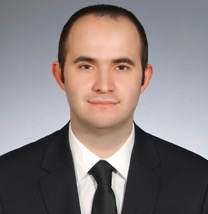
Polymer Chemist & AI Researcher
Bridging the gap between traditional materials science and cutting-edge artificial intelligence to solve complex scientific challenges.
- Website: burhanbeycan.github.io
- City: Ankara, Türkiye
- Email: burhanbeycan@hotmail.com
- Degree: PhD in Polymer Chemistry
- BSc in Computer Engineer
- Freelance: Available
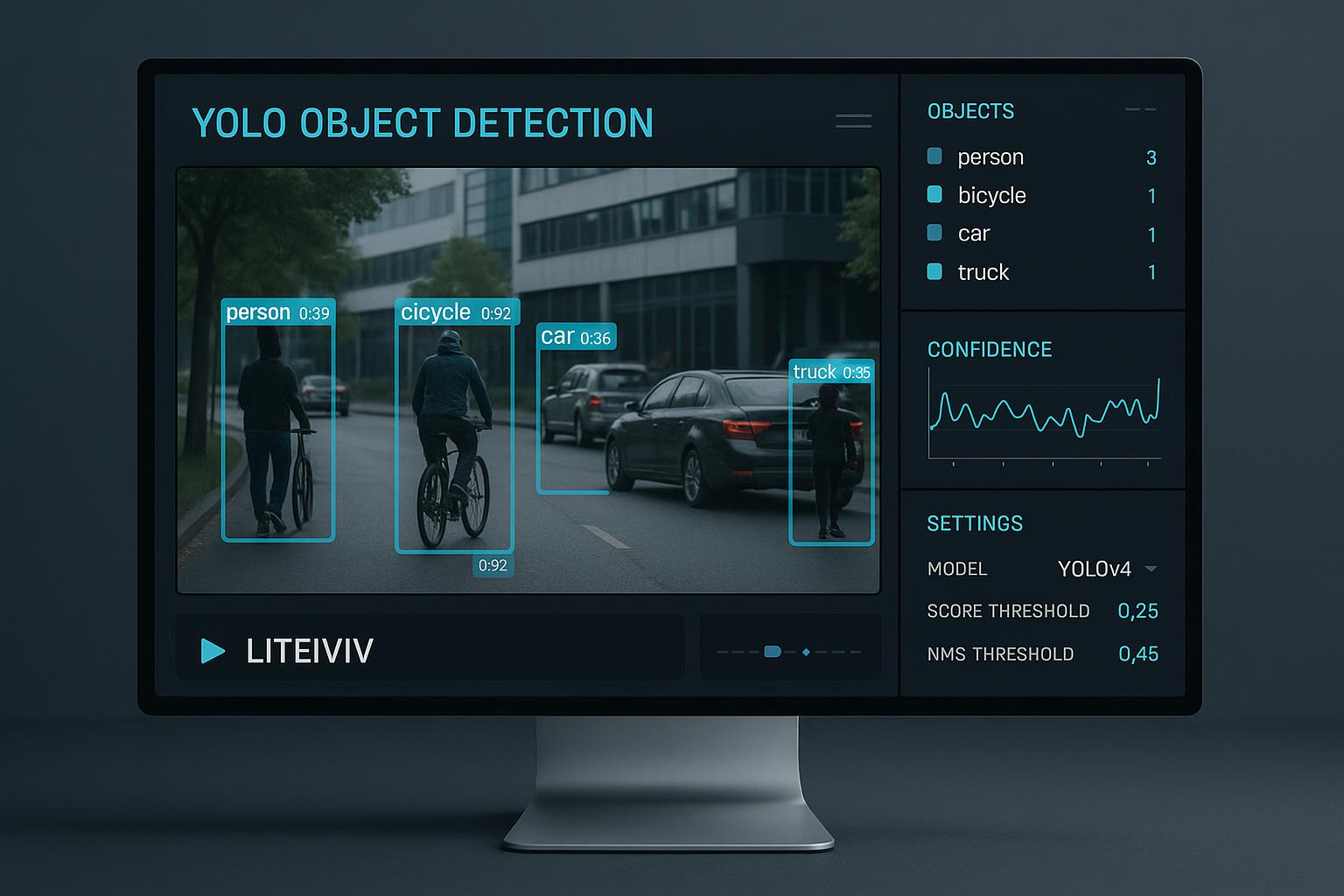
I am a multidisciplinary researcher possessing dual B.Sc. degrees in Computer Engineering and Chemistry, as well as both an M.Sc. and Ph.D. in Polymer Chemistry. My proficiency encompasses the design and execution of real-time deep-learning vision systems (YOLOv8, Deep SORT) and the synthesis and characterisation of sophisticated polymeric and composite materials. I have published SCI-Expanded papers in Q1–Q2 journals and presented orally at international conferences, including the IUPAC Macro 2024 World Polymer Congress at Warwick University.
Facts
Key achievements and milestones in my research career
Publications in Q1-Q2 journals
Conference Presentations including oral presentations
Degrees in different fields (Chemistry & Computer Engineering)
Years of research experience
Skills
Technical expertise across multiple disciplines
Resume
My educational background and professional experience
Summary
Burhan Beycan
Multidisciplinary researcher with dual expertise in polymer chemistry and artificial intelligence. Experienced in developing AI-driven solutions for materials science applications and synthesizing advanced polymeric materials.
- Ankara, Türkiye
- burhanbeycan@hotmail.com
- linkedin.com/in/burhanbeycan
Education
PhD in Polymer Chemistry
2019 - 2024
Ankara University, Ankara, Türkiye
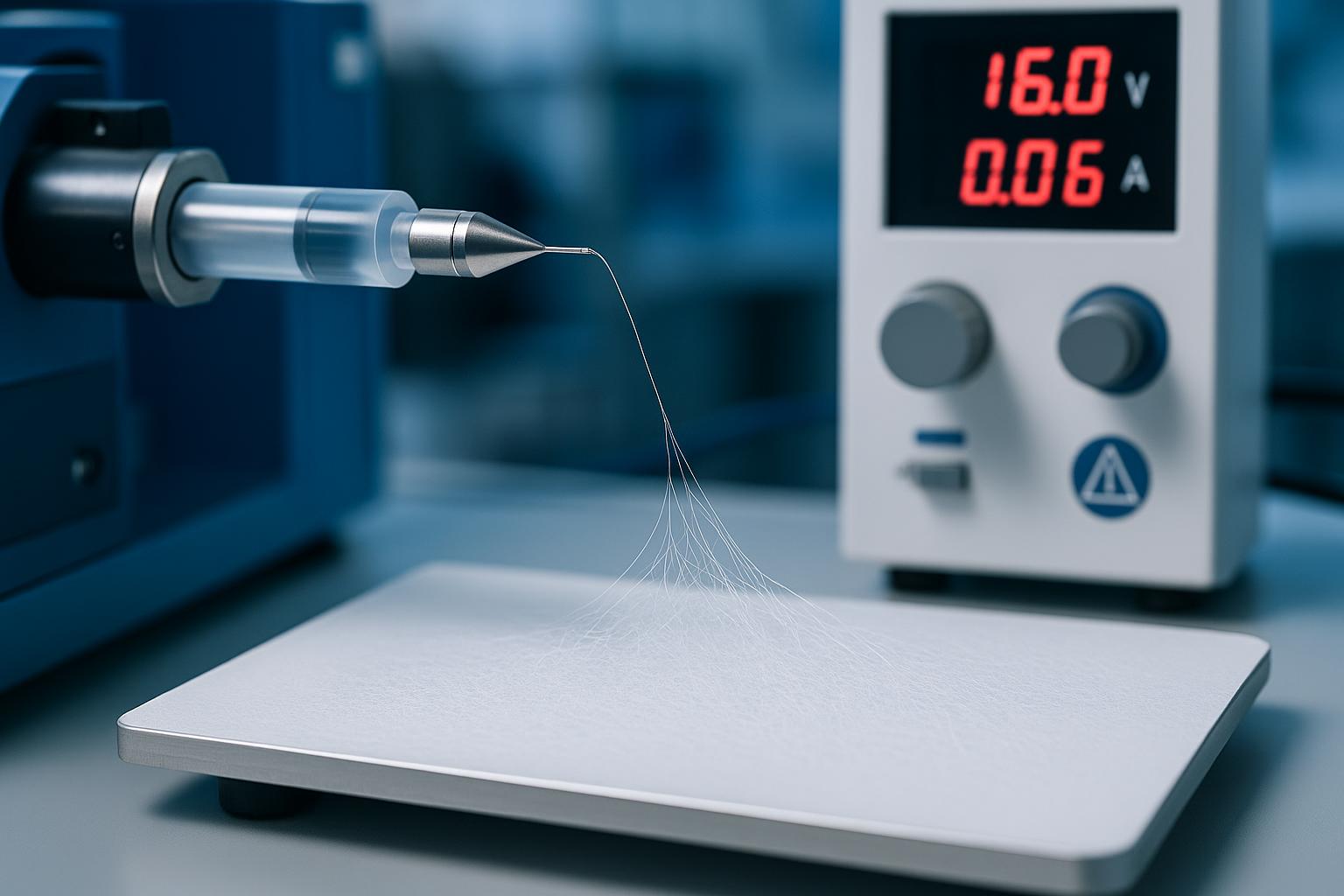
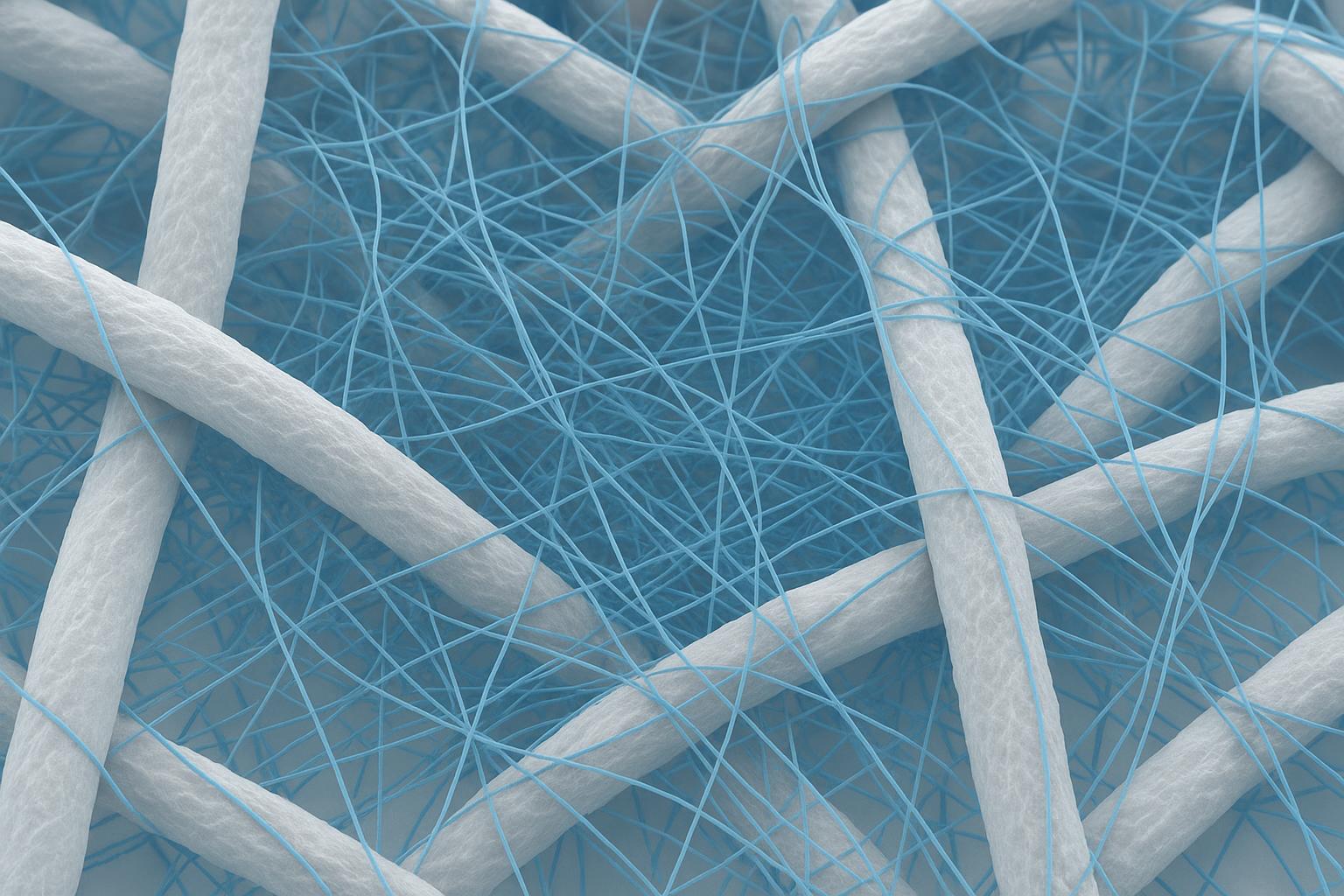
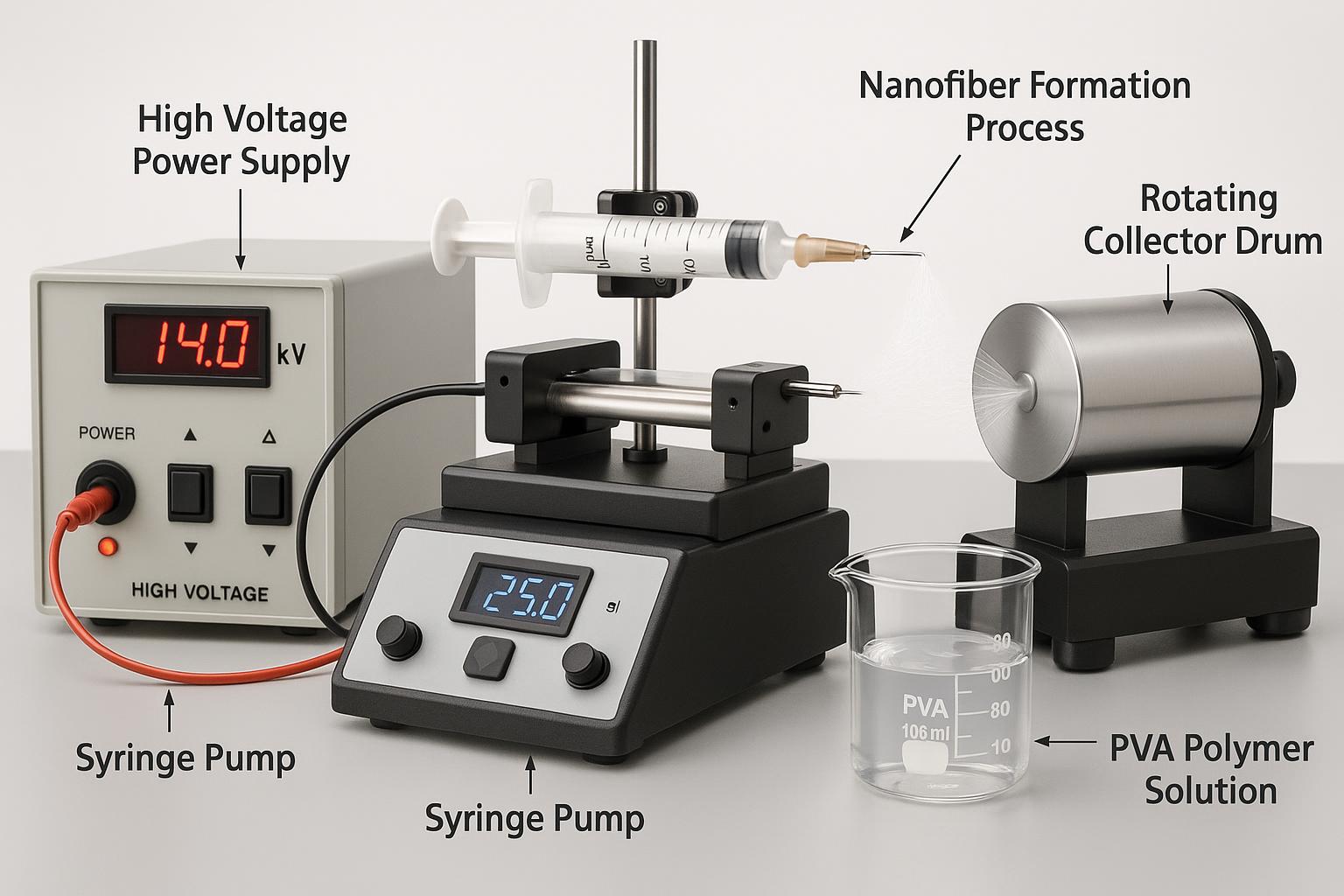
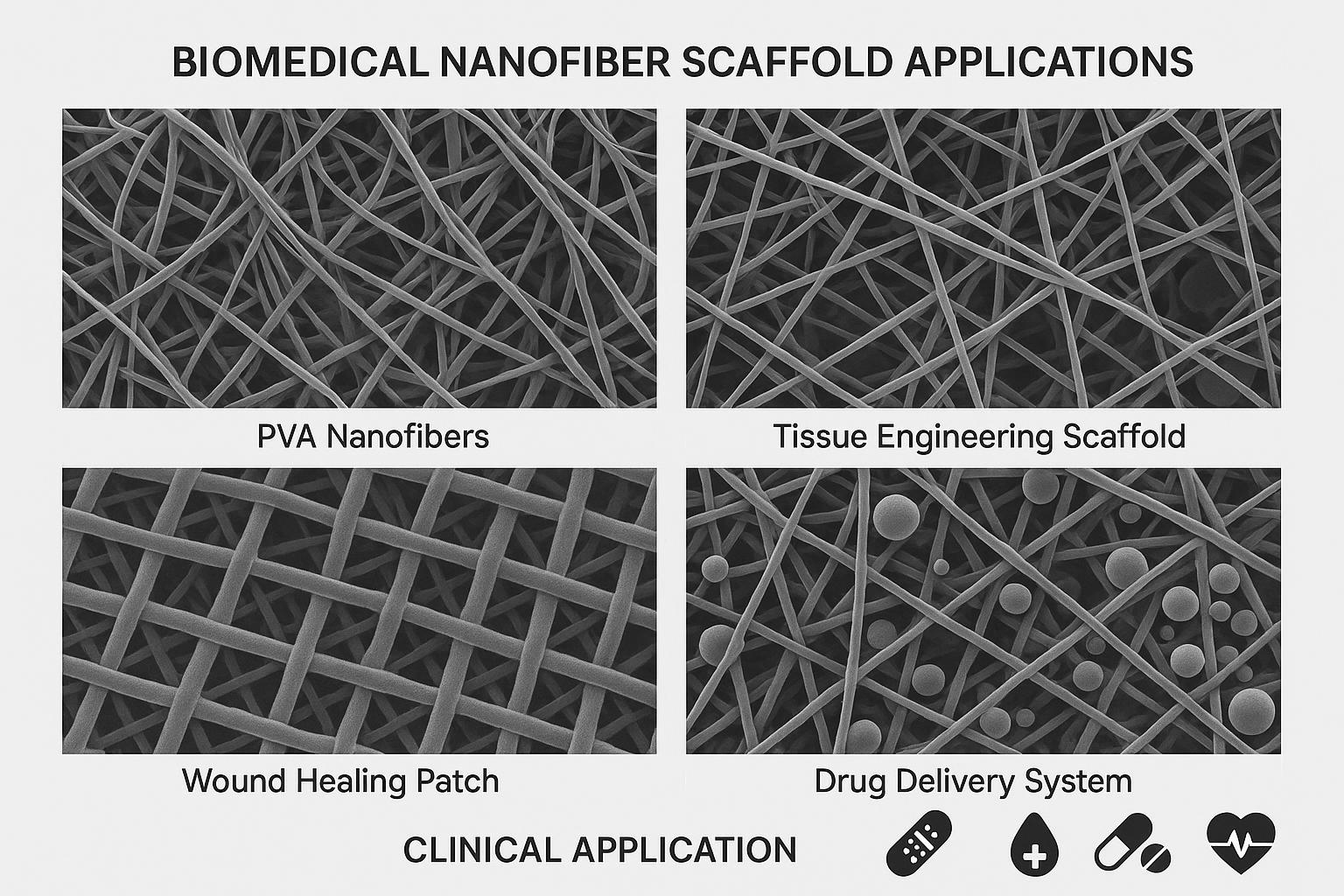
Thesis: Coating on cotton fabric of nanofibers prepared from gelatin and water-based polyurethane polymers with poly(Ethylene imine) by electrospinning method and investigation of antimicrobial properties
BSc Computer Engineering
2020 - 2025
Ankara Science University, Ankara, Türkiye
Focus: Machine Learning, Artificial Intelligence, Image Processing Algorithms
MSc Chemistry
2016 - 2019
Ankara University, Ankara, Türkiye
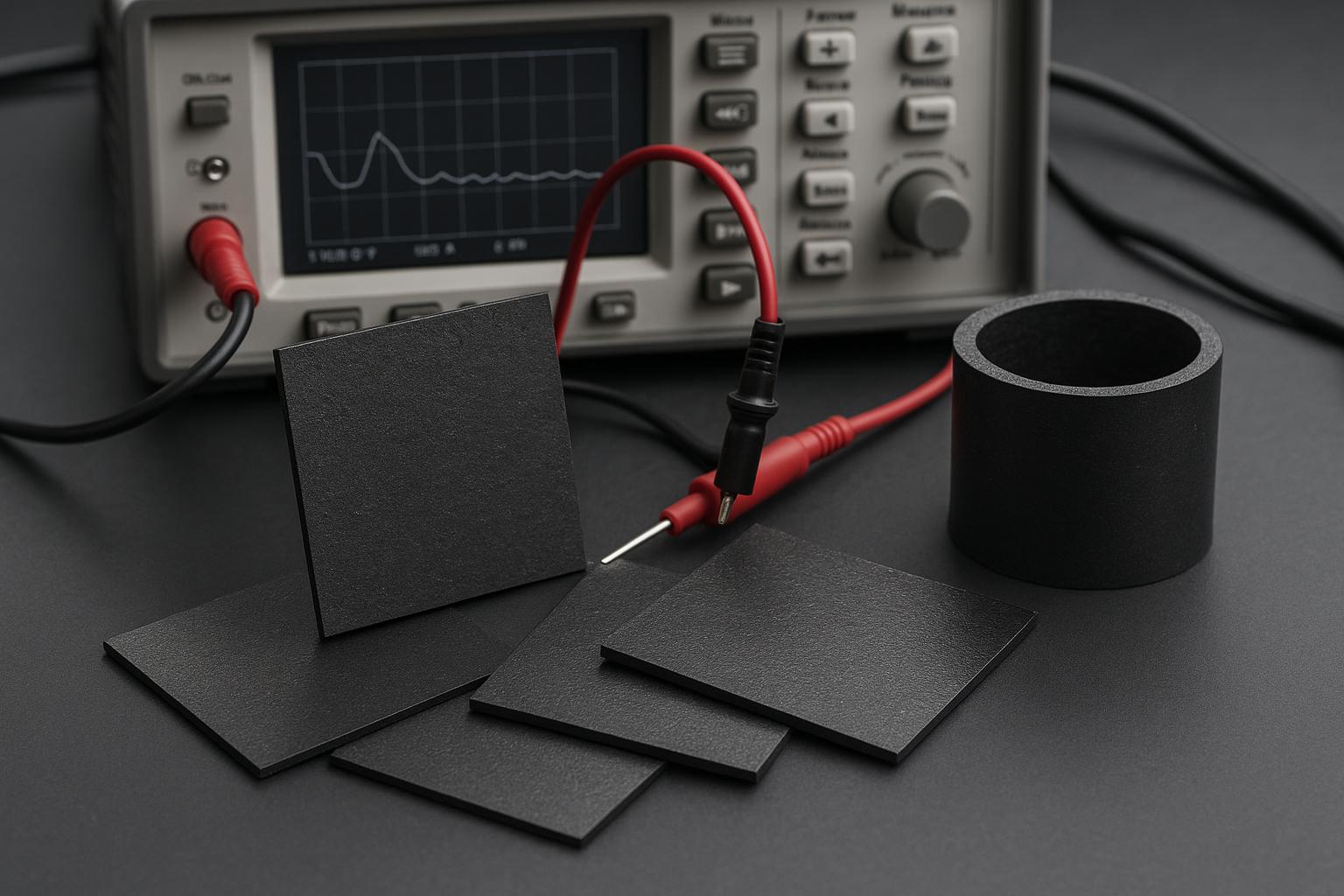
Field: Polymer Chemistry. Focus on conductive polymers and electromagnetic wave absorbing composite materials
BSc Chemistry
2010 - 2015
Middle East Technical University, Ankara, Türkiye
Professional Experience
Postdoctoral Researcher
2025 - Present
Middle East Technical University, Ankara, Türkiye
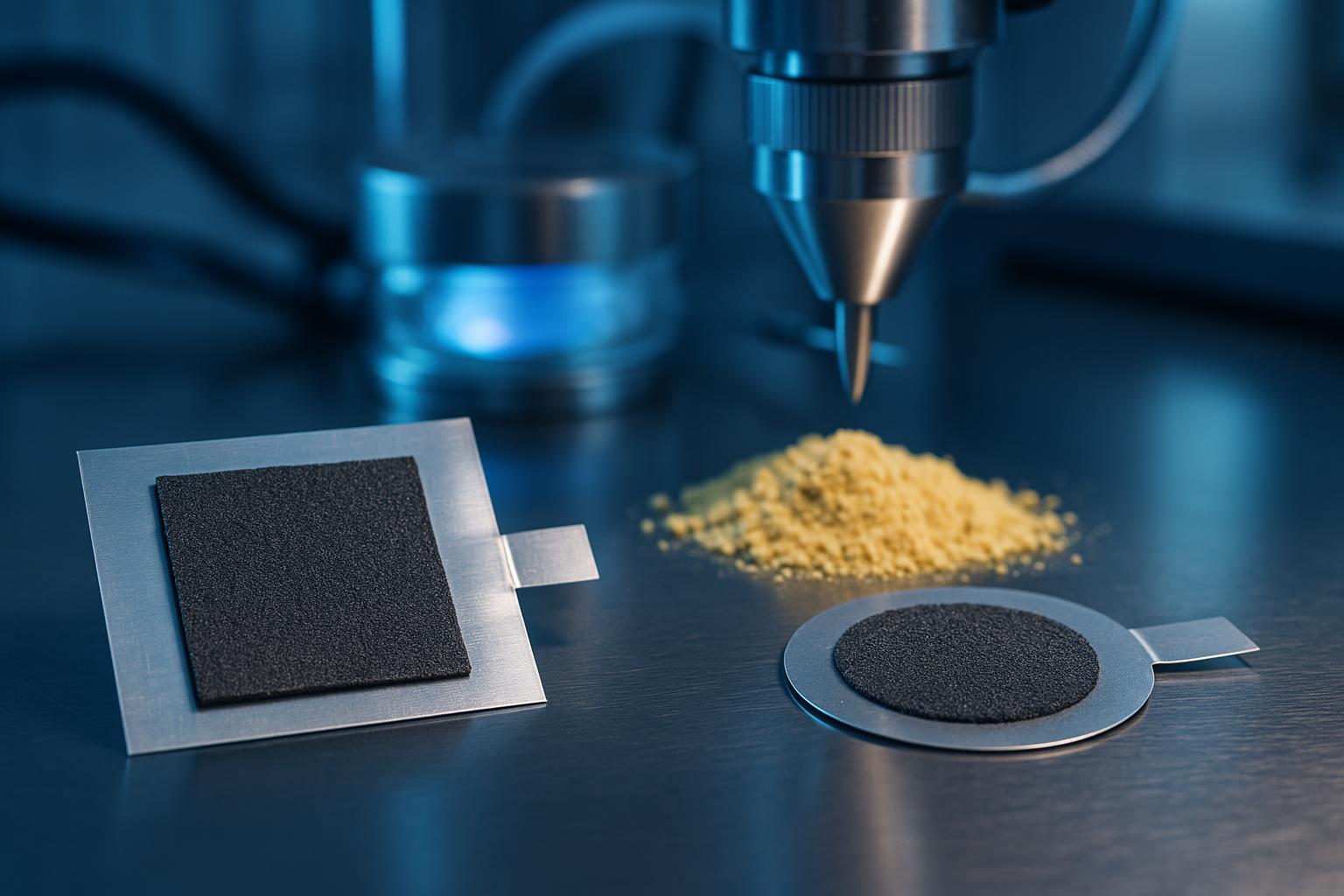
- TiS2 Production and Organolithium Exfoliation
- Li-S Battery Cathodes production
- Metallurgy & Material Engineering NanoLab (PI: Prof.Dr. H.Emrah Unalan)
TÜBİTAK 2209-A Researcher
2025
Scientific and Technological Research Council of Türkiye
- Designed real-time object detection pipeline using YOLOv8
- Integrated DeepSORT algorithms for multi-object tracking
- Developed threat assessment algorithms
TÜBİTAK 1001 Project Researcher
2022 - 2024
Scientific and Technological Research Council of Türkiye
- Development of antimicrobial polymer modified fabric face mask
- Electrospinning device applications
- Research writing and literature review
R&D Polymer Chemist
2017 - 2024
Ankara University, Ankara, Türkiye
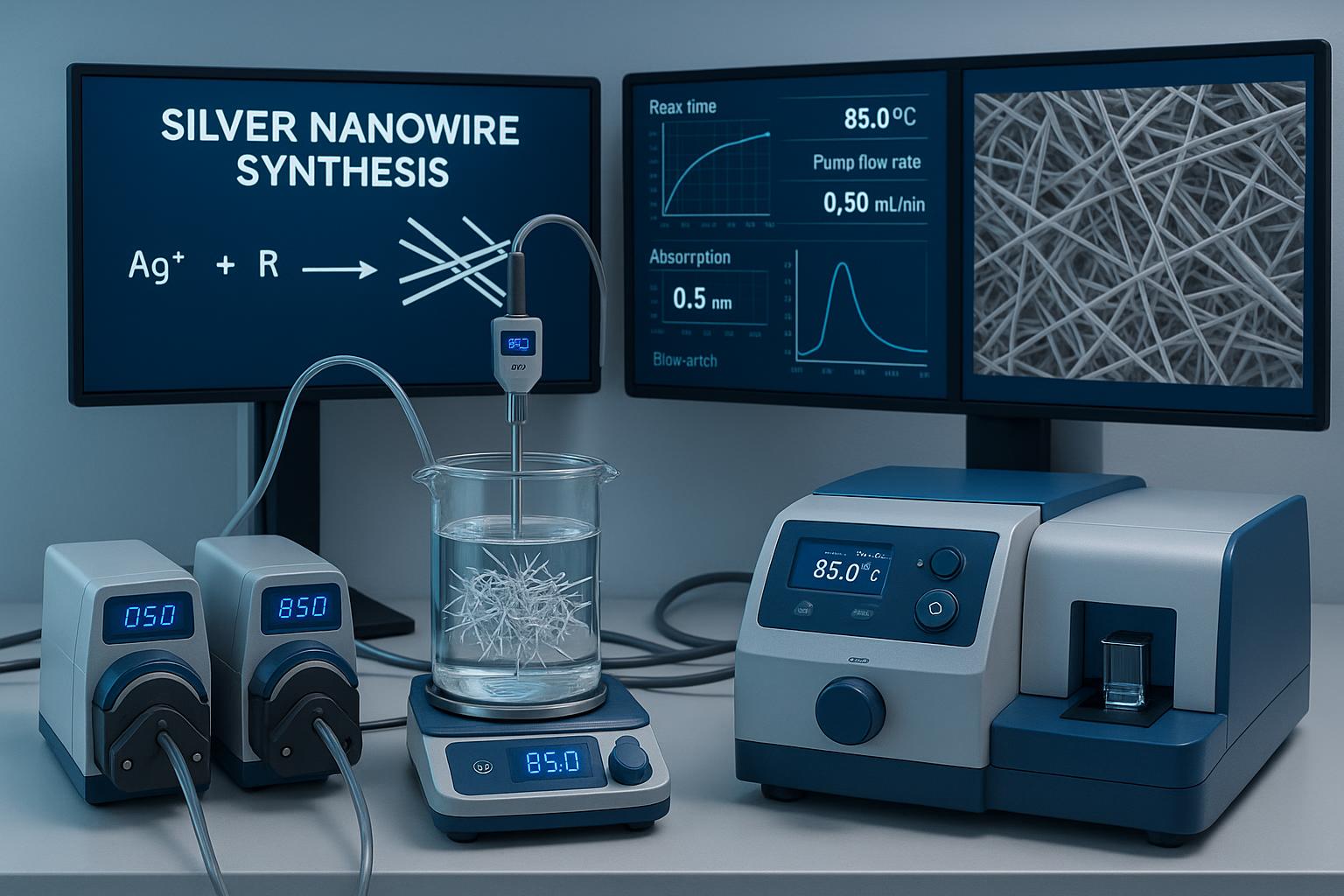
- Synthesis of magnetic nanoparticles and composites
- Synthesis and characterization of conductive polymers
- Advanced materials characterization techniques
Publications
Recent publications in high-impact journals
Gelatin-Based Electrospun Nanofibers Varied in Morphologies with Poly(ethylene imine) and Poly(2-ethyl-2-oxazoline): Allantoin-Modified for Antimicrobial Skin Compatibility
Journal: ACS Applied Polymer Materials (2025)
Authors: Beycan, B., Kalkan Erdoğan, M., Yangın, S., Yurdakok-Dikmen, B., Kiymaci, M., Karakışla, M.
Publisher: American Chemical Society (ACS)
Tailoring Cotton Textile Properties with Hybrid, Janus, and Core-Shell Electrospun Waterborne Polyurethane/Polyethyleneimine Nanofibers
Journal: Polymers for Advanced Technologies (2025)
Authors: Beycan, B., Kalkan Erdoğan, M., Yangın, S., Yurdakok-Dikmen, B., Karakışla, M.
Publisher: Wiley
DOI: 10.1002/pat.70174
Designing Electrospun Nanofibers in the Distinct Morphologies from Poly(2-ethyl-2-oxazoline) and Waterborne Polyurethane on the Cotton Fabric
Journal: European Polymer Journal (2025)
Authors: Beycan, B., Kalkan Erdoğan, M., Kiymaci, M., Unal, N., Yangın, S., Yurdakok-Dikmen, B., Filazi, A., Karakışla, M., Sacak, M.
Publisher: Elsevier
Creating Safe, Biodegradable Nanofibers for Food Protection: A Look into Waterborne Polyurethane Electrospinning
Journal: Industrial & Engineering Chemistry Research (2024)
Authors: Beycan, B., Erdoğan, M. K., Sancak, E., Karakışla, M., Saçak, M.
Publisher: American Chemical Society (ACS)
Exploring Waste Wool Derived-Keratin Nanofiber Architectures on Cotton Fabrics: Electrospinning Strategies for Enhanced Material Properties
Journal: ACS Applied Polymer Materials (2024)
Authors: Başbuğ, B., Beycan, B., Erdoğan, M. K., Karakışla, M., & Saçak, M.
Publisher: American Chemical Society (ACS)
Development of a Conductive Polypyrrole and Magnetic Ferrite Particles Decorated-Polyester Nonwoven Composite as an Electromagnetic Interference Shield Material
Journal: Textile and Confection (2024)
Authors: Beycan, B., Erdoğan, M.K., Karakışla, M., Saçak, M.
Lectures
Courses I teach combining materials science with modern computational methods
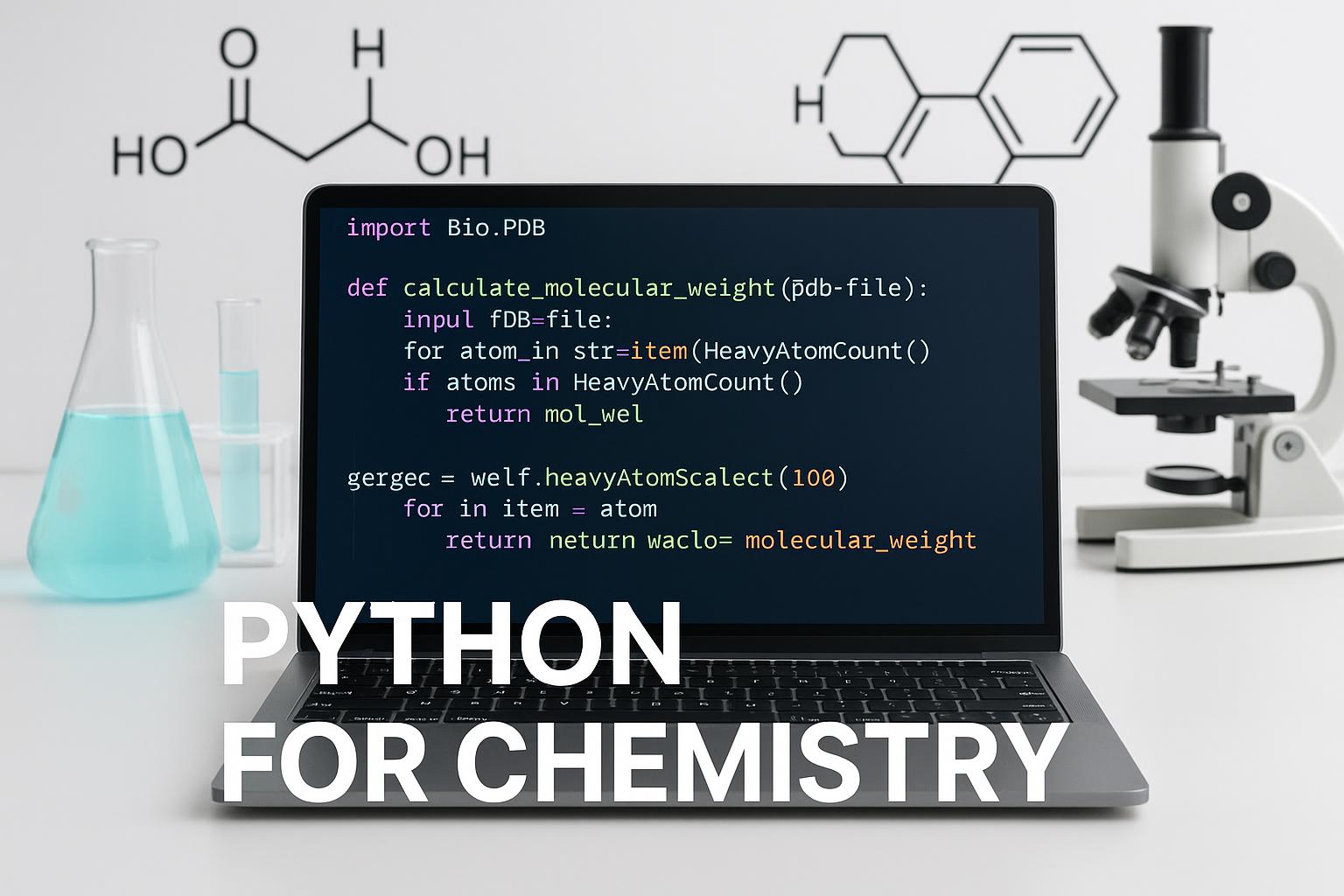
Python for Chemistry
Course Code: CHEM 485 | Credits: 3
Introduction to Python programming specifically tailored for chemistry applications. Students learn to use Python for chemical calculations, data analysis, molecular modeling, and laboratory data processing.
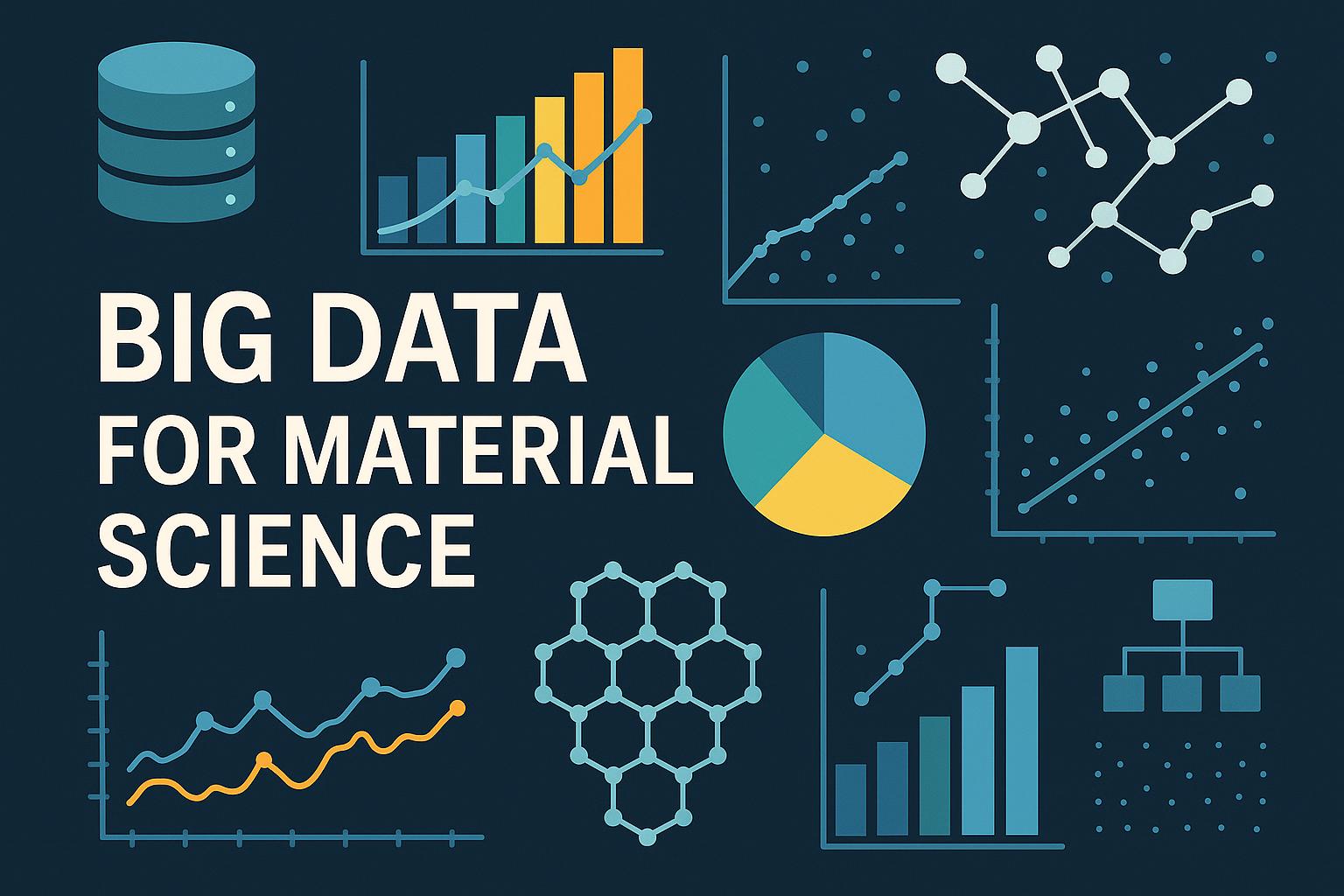
Big Data for Material Science
Course Code: MSE 587 | Credits: 3
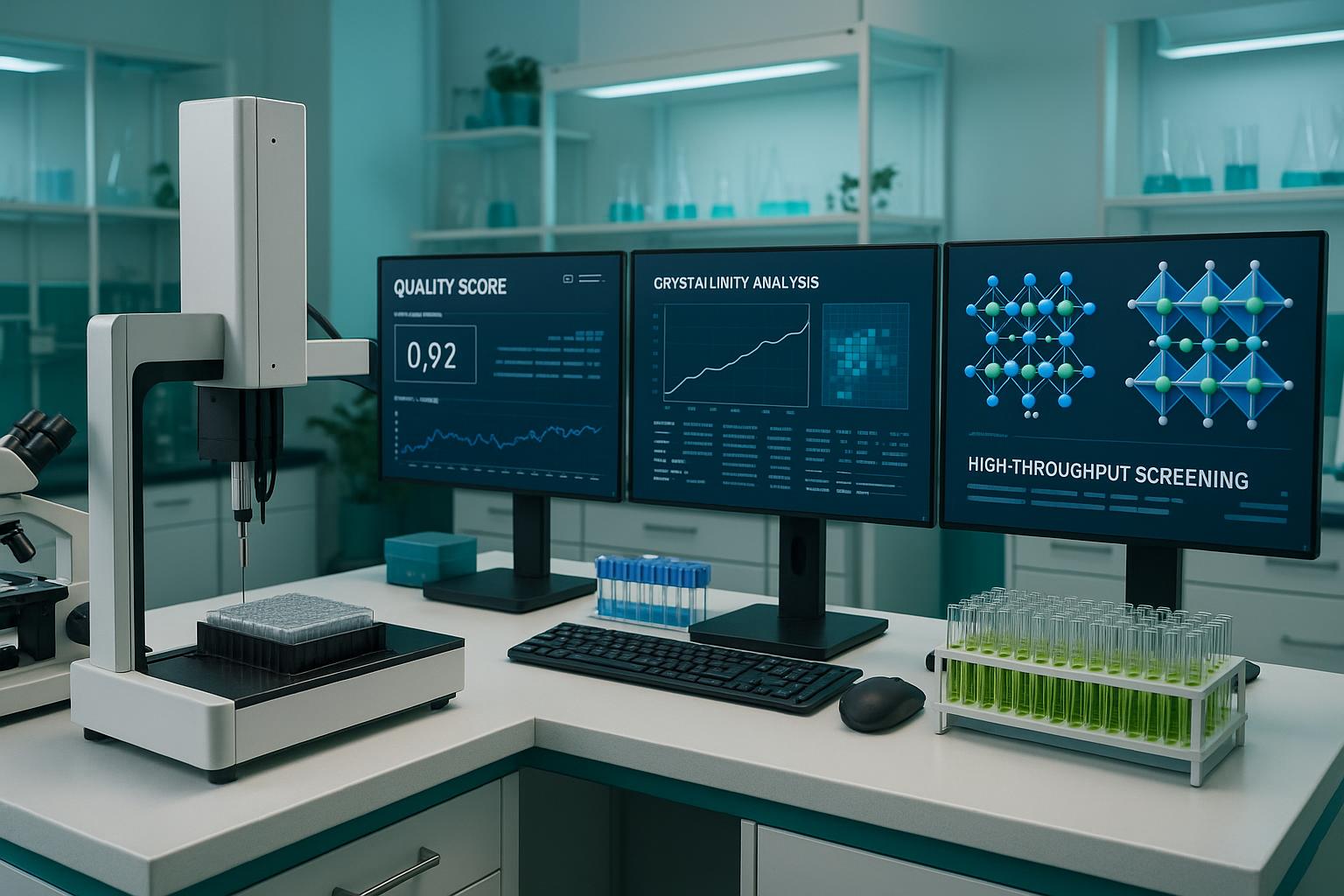
Explores the application of big data analytics and computational methods to materials science research. Students learn to handle large-scale materials databases and apply machine learning techniques.
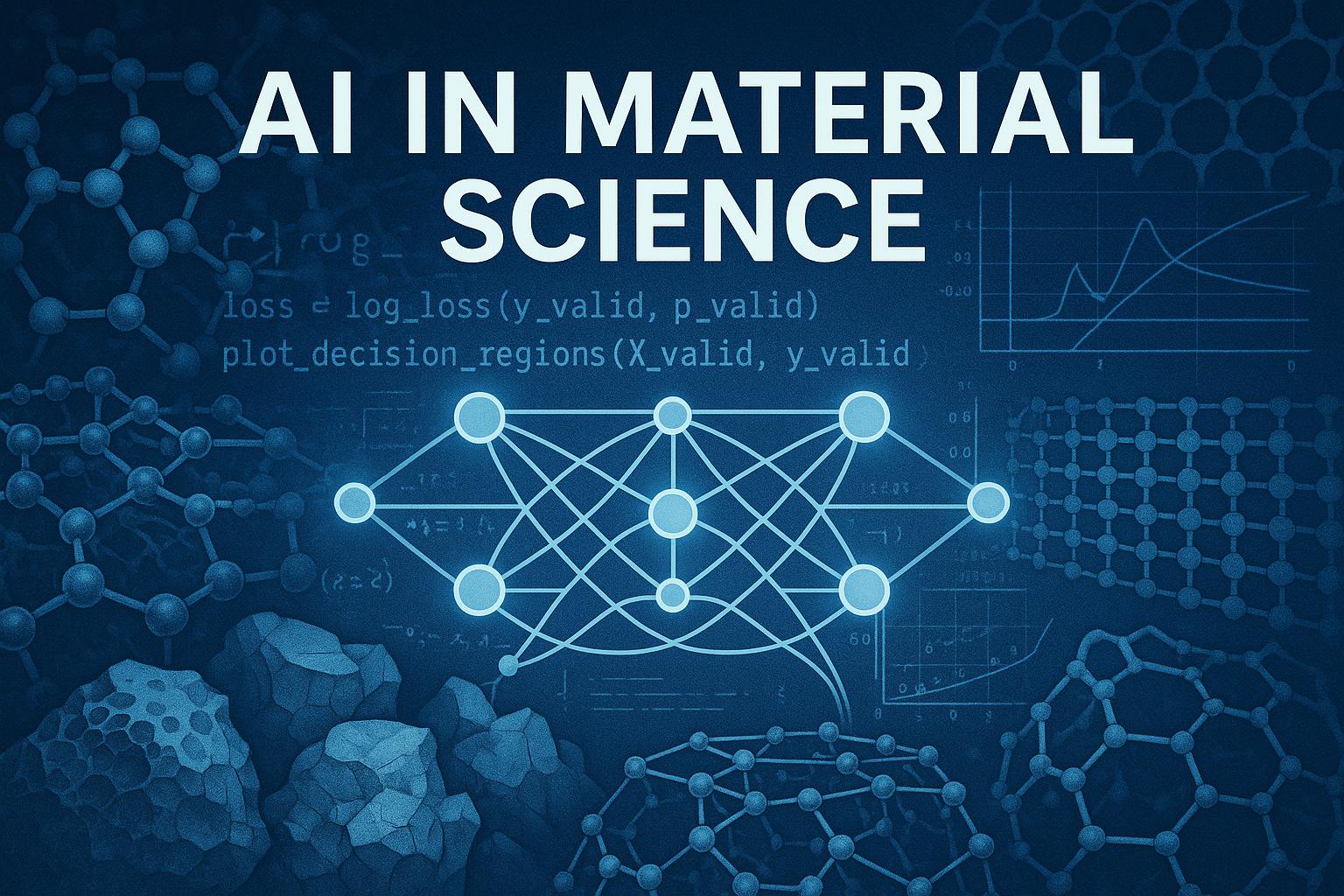
AI in Material Science
Course Code: MSE 688 | Credits: 3
Advanced course exploring the intersection of artificial intelligence and materials science, focusing on machine learning applications for materials discovery, design, and optimization.
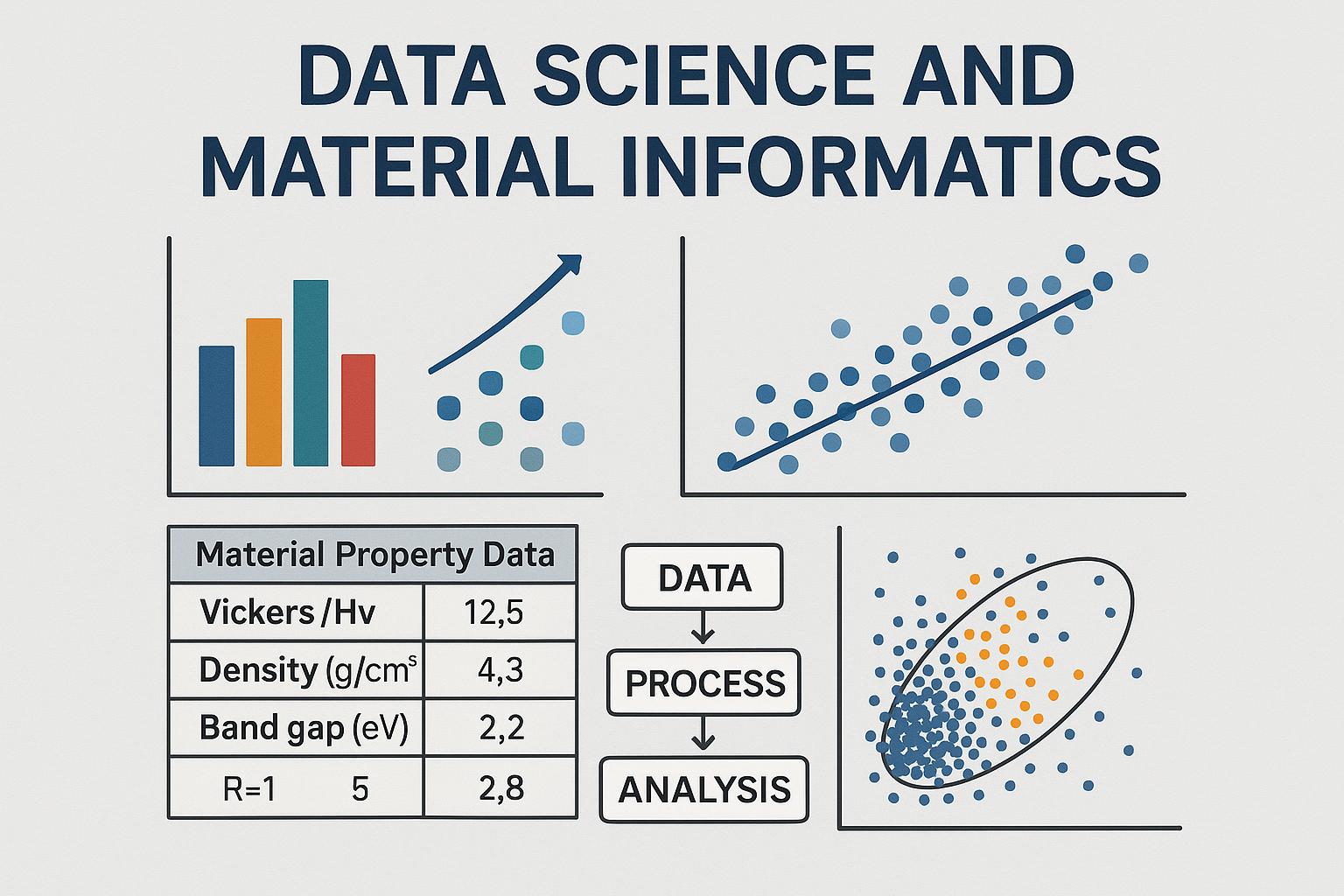
Data Science and Material Informatics
Course Code: MSE 589 | Credits: 3
Comprehensive introduction to data science methodologies applied to materials informatics. Students learn to extract insights from materials data and develop predictive models.
Contact
Get in touch for research collaborations or professional opportunities
Location:
Ankara, Türkiye
Email:
burhanbeycan@hotmail.com
Call:
+90 XXX XXX XXXX